
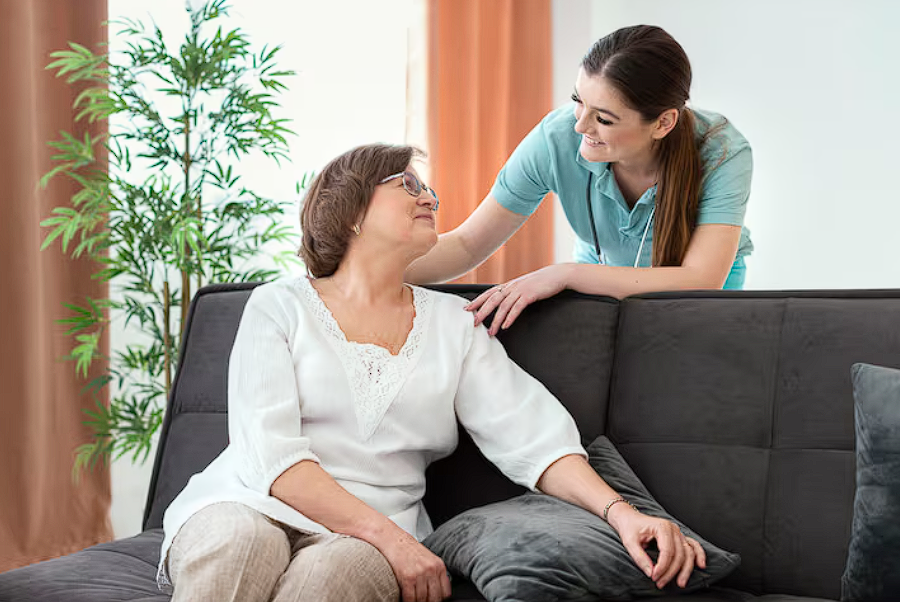
Caring for an ageing loved one can bring mixed emotions. Many families want to ensure their elderly parents or relatives receive the best possible care, but also wish to maintain their sense of independence and comfort. This is where Support at Home becomes a meaningful option. It offers the right balance between professional help and the familiarity of one’s own space, enabling seniors to live comfortably while still receiving the assistance they need.
Understanding What Support at Home Means
Support at Home is about providing older adults with the care and help they require to continue living in their own homes rather than moving into a residential facility. It can cover many types of support, depending on the person’s needs. Some may only need help with household tasks like cleaning, cooking, or shopping, while others might require personal care or assistance with mobility.
This approach to care allows individuals to maintain control over their daily routines and live with dignity. It’s not just about physical support—it’s also about emotional well-being. When people can stay in their familiar surroundings, they often feel more relaxed, confident, and connected to their community.
Why Support at Home Matters
For many families, the thought of moving an elderly loved one into a nursing home can be overwhelming. There are emotional challenges, financial concerns, and lifestyle changes to consider. Support at Home helps bridge that gap by bringing care services directly to where they are most needed—the home.
It also provides peace of mind to families. Knowing that a loved one is being cared for by trained professionals means families can focus on spending quality time together rather than worrying about day-to-day tasks. Whether it’s help with bathing, meal preparation, or medication reminders, these services are designed to make life easier and safer for older people.
Personalised Care for Every Individual
Every person’s situation is unique, and Support at Home services are built around that idea. A good care provider will take time to understand the individual’s health, lifestyle, and preferences before creating a care plan. This ensures that the support offered feels natural and respectful.
For example, some seniors may still be active and prefer minimal assistance, such as help with transportation or errands. Others may require daily support with mobility or health management. The goal is always to promote independence while ensuring safety and comfort.
A personalised approach also helps to build trust between the carer and the individual receiving care. When both parties understand each other’s expectations and routines, it leads to a more positive experience for everyone involved.
Choosing the Right Support at Home Provider
When selecting a provider, families should look for reliability, compassion, and flexibility. The goal is to find a service that tailors its care to the specific needs of each individual. It’s also important to choose a provider that encourages open communication and regular feedback. This ensures that care plans can be adjusted as needs change over time.
A trusted organisation such as Aged Care Decisions helps families navigate this process with ease. They understand how overwhelming it can be to choose the right type of support. Their Support at Home service helps families connect with reliable providers who can deliver quality home care tailored to each person’s needs.

How Support at Home Enhances Independence
Many people fear that accepting home care means giving up independence, but in reality, it’s quite the opposite. With the right level of support, seniors can continue to live life on their terms. They can make their own decisions about what they do each day while still receiving the help they need.
For instance, someone who struggles with mobility may receive assistance with moving safely around the house, but they can still choose their daily activities and maintain hobbies they enjoy. This sense of control boosts confidence and helps people maintain their self-esteem.
Support at Home allows individuals to remain active participants in their communities, attend social events, and keep in touch with friends and family. These connections play a big role in maintaining happiness and mental health as people age.
Balancing Care and Independence
The best part about Support at Home is that it’s flexible. The level of care can be adjusted as a person’s needs change. For example, someone might start with a few hours of help each week and later increase the support as their health requires more attention.
This flexibility ensures that care evolves alongside the individual’s situation. It also prevents unnecessary stress or disruption, as there’s no need for sudden moves or major lifestyle changes. The goal is always to provide the right amount of help while preserving freedom and comfort.
Making the Right Choice for the Future
Choosing Support at Home is more than just a care decision—it’s a lifestyle choice that promotes dignity, comfort, and respect. It allows older adults to continue enjoying their home, their community, and their independence, all while receiving the assistance they need to stay safe and well.
With organisations like Aged Care Decisions, families can find the right home care services tailored to their needs. Their expertise helps guide families through the process, making it easier to understand the available options and select the most suitable form of support.
Support at Home isn’t just about practical help—it’s about creating an environment where older people can thrive. It’s about providing peace of mind to families, knowing that their loved ones are cared for with compassion and professionalism.
Conclusion
Support at Home offers a thoughtful solution for ageing individuals who want to maintain their independence while receiving quality care. It combines the comfort of staying at home with the reassurance of professional support, making it one of the most effective and compassionate approaches to aged care.
By choosing Support at Home through trusted providers like Aged Care Decisions, families can be confident that their loved ones are getting the right care, in the right place, at the right time. This approach values both independence and dignity, giving seniors the support they deserve in the comfort of their own homes.